
From '60s babydoll dresses to '90s patchwork sweatshirts, the beauty of vintage pieces lies in this — every item carries its own era's mark, each with a story from its previous owner. They don't follow trends, because they are the very source of them.
Today, we're rounding up 7 vintage staples from different decades — pieces that together build a wardrobe that's interesting, layered, and full of stories.

1960s | Babydoll Dress
Era Vibe: Youthful, rebellious, girlish
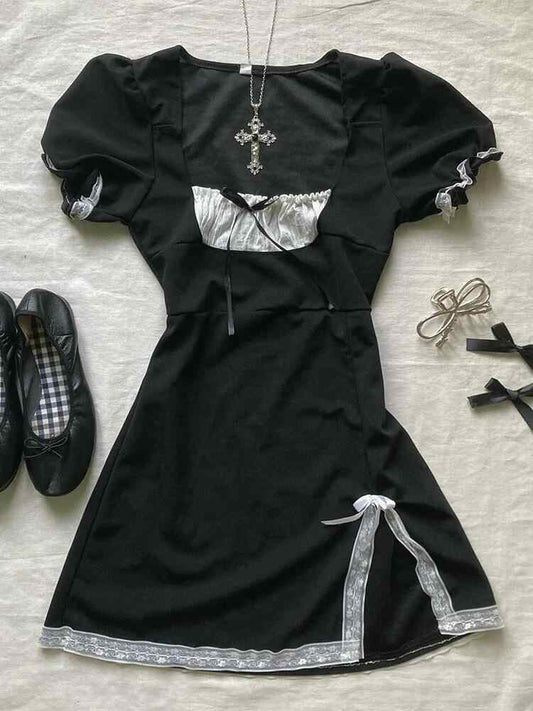
The babydoll dress of the '60s was a rebellion against the cinched-waist silhouettes of the '50s. With no defined waistline and a loose A-line shape that resembled a little girl's nightgown, it became a symbol of "youthquake" culture after being worn by icons like Twiggy in 1966.

How to Spot a Genuine Vintage Piece:
-
Pay attention to collar and cuff details — '60s babydolls often feature Peter Pan collars, rounded necks, or lace trims, with short puff sleeves or straight sleeves.
-
Fabrics are typically lightweight cotton or printed cotton-poly blends, with patterns like ditsy florals, polka dots, or geometric color blocks.

How to Style It Today:
-
The volume of a babydoll dress needs some weight to balance it out. Pair it with chunky loafers or combat boots — it instantly shifts from "trying too hard to be cute" to "effortlessly cool with an attitude."
-
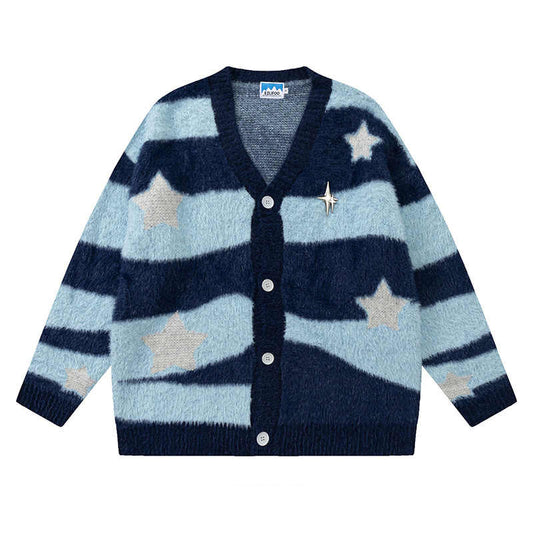
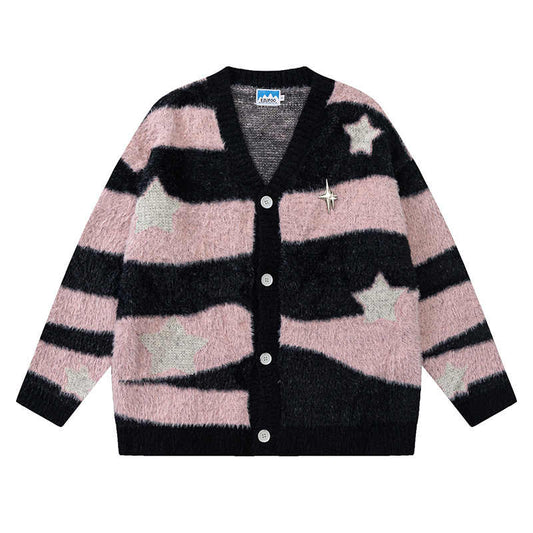
Throw on an oversized knit cardigan and button just the top button to show off the collar detail — a favorite styling trick in Japanese magazines that's both relaxed and polished.
-
If the hemline runs short, layer it over slim-leg trousers, letting just the hem peek out — instant layering game on point.

One-Liner Vibe: Wearing it feels like stepping straight out of a 1966 London street.
1970s | Polka Dots
Era Vibe: Romantic, vintage, effortless chic
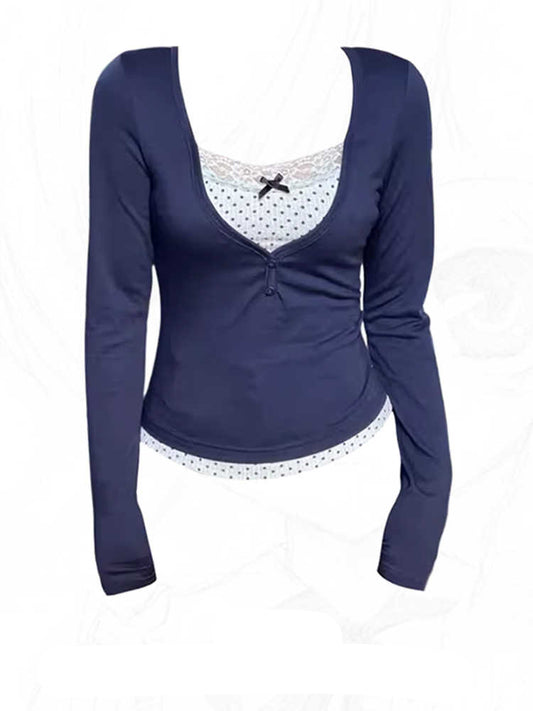
Polka dots have never really left fashion, but '70s polka dots speak their own language — they're not as prim as the '50s, nor as bold as the '80s. The '70s version leans toward larger, looser-spaced dots printed on flowing chiffon or soft cotton, carrying a bohemian ease.

How to Spot a Genuine Vintage Piece:
-
Black-on-white or cream-with-dark-spots colorways are the most timeless — they age well and don't look dirty.
-
For dresses, prioritize wrap styles or tie-front silhouettes — the iconic '70s silhouette popularized by Diane von Furstenberg, and there are still plenty of good-condition pieces floating around the vintage market.
-
For shirts, check the collar — pointed collars with small fold-over details feel much more '70s than standard shirt collars.

How to Style It Today:
-
A polka dot shirt tucked loosely into high-waisted jeans, with sleeves rolled up a couple of turns — that's the quintessential vintage preppy look.
-
A polka dot dress shines with contrast styling — pair it with chunky boots or canvas sneakers to break up the "too sweet" impression.
-
For a more advanced move, layer a polka dot dress over a solid turtleneck — instant '70s energy and visual depth.

One-Liner Vibe: '70s polka dots look like something a French New Wave heroine would wear on her way to the South of France.
1980s | Patchwork Sweatshirt
Era Vibe: Handmade, playful, worn-in warmth
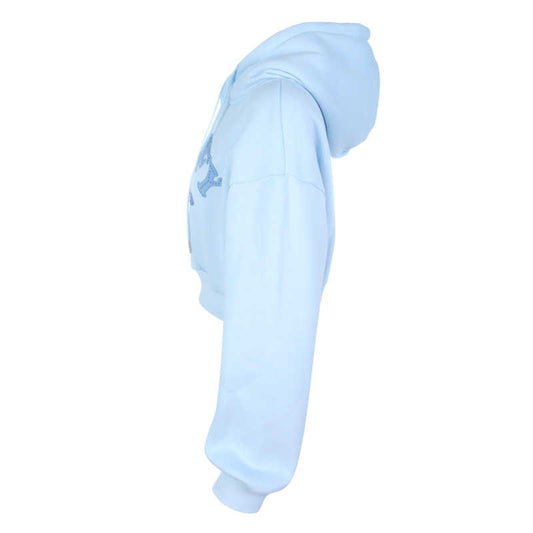
Patchwork in the '80s was a statement against the mainstream. While power suits, shoulder pads, and sequins dominated the runways, the patchwork sweatshirt was the opposite — it looked like something your grandmother stitched together from old scraps. Warm, clumsy, imperfect — and that's exactly what made it so charming.

How to Spot a Genuine Vintage Piece:
-
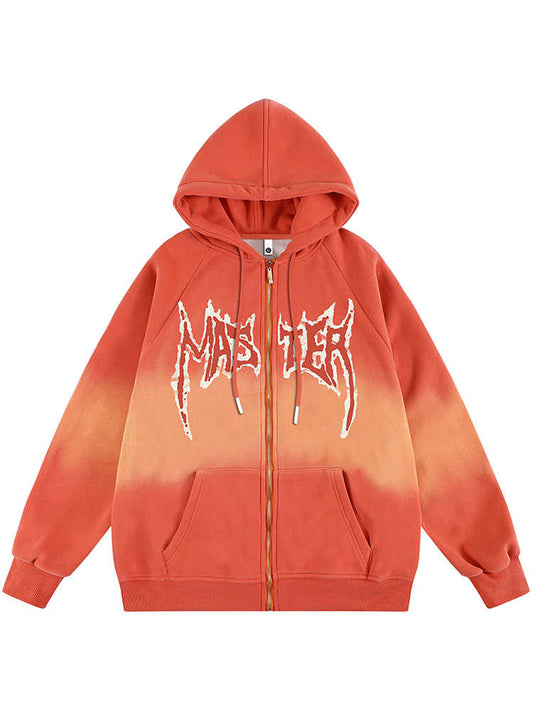
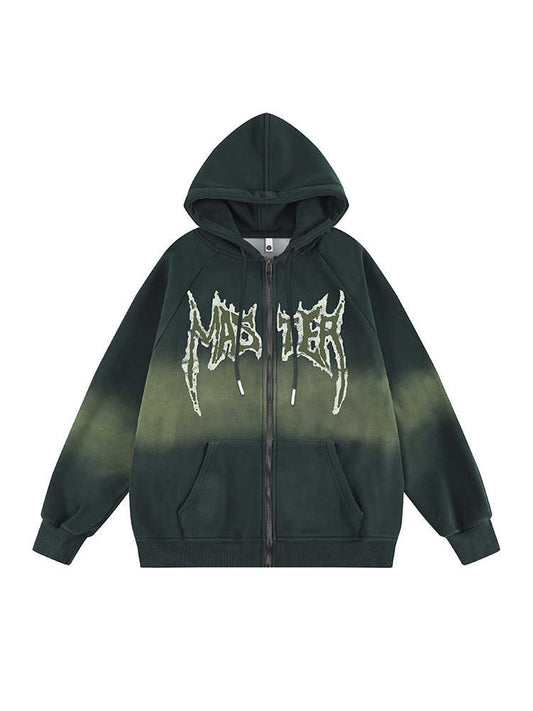
True '80s patchwork sweatshirts were often handmade or produced in small workshops — uneven seams and mixed fabric weights are part of their character, not flaws.
-
Check the base fabric — thick cotton sweatshirt fleece or lightly brushed thermal fabric is what you're looking for. Light pilling along the edges after years of wear is actually a good sign of authenticity.
-
In terms of patterns, geometric color-blocking is the most timeless; animal or cartoon motifs add extra collectible charm.

How to Style It Today:
-
The most striking way to wear a patchwork sweatshirt is through contrast in texture — pair it with a silk slip skirt or a pleated maxi skirt. The bigger the contrast, the more fashionable it feels.
-
If the sweatshirt itself is already busy, keep the bottom half solid and simple to avoid visual overload.
-
For an elevated take, layer a white button-down shirt underneath, letting the collar and cuffs peek out — a perfect intersection of preppy and street style.
One-Liner Vibe: Wearing it feels like owning a one-off piece from an '80s craft market — there's literally only one in the world.
Four More Staples | To Complete the Wardrobe
1990s | Slip Dress
The '90s slip dress is the ultimate minimalist staple — thin straps, a single panel of smooth fabric, and nothing more. The beauty of vintage slip dresses lies in the fabric itself: silk or softer acetate blends develop a more subtle sheen and drape over time.

How to Style It: Wear it solo with flat sandals or canvas sneakers for that "threw it on and walked out the door" ease. For cooler months, layer it over a plain white tee or a turtleneck — it's practical and still looks great.

1940s-50s | Vintage Cardigan
A lightweight knit cardigan is the "essential of essentials" in any vintage wardrobe. Cardigans from the '40s and '50s feature denser knits, more fitted sleeves, and buttons made from real shell or horn — these are the details that give off that quiet old-money quality.

How to Style It: Throw it over a babydoll dress, a slip dress, or a button-down shirt — anytime you feel an outfit is "missing something," a vintage cardigan is usually the answer.

1970s-80s | High-Waisted Straight-Leg Jeans
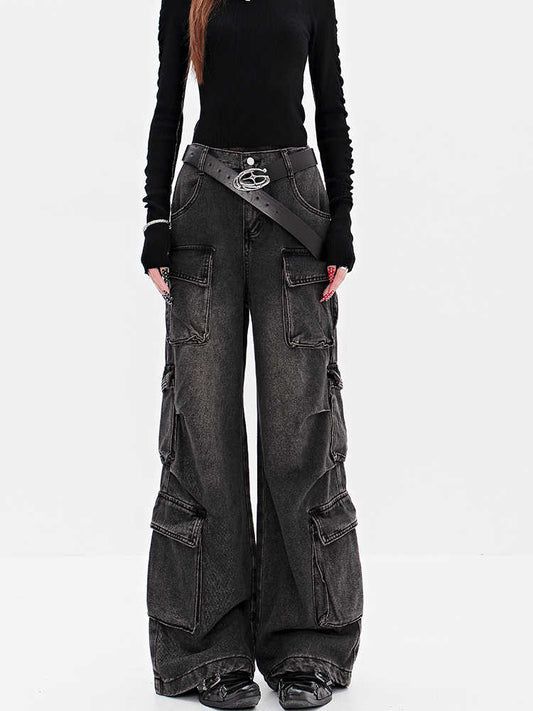
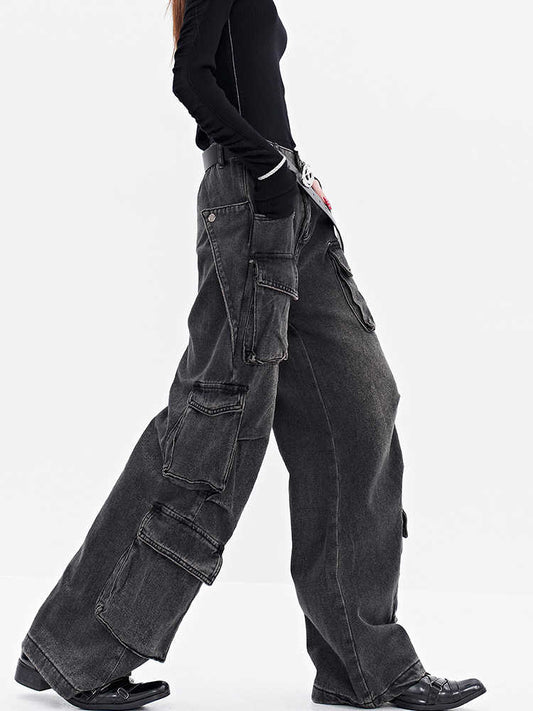
The charm of vintage denim is in the fabric — older denim is thicker, stiffer, and fades more naturally. A pair of jeans that's truly lived in looks more authentic than any artificially distressed pair.
What to Look For: Check the back waist label and hardware. Details like Levi's orange stitching and rivets are key clues for dating a pair.
1990s | Pleated Plaid Mini Skirt
The '90s was a decade of grunge-meets-preppy, and the plaid pleated skirt walked out of schoolyards and into everyday wardrobes. The key to a good vintage piece is fabric weight — it should have some heft (not flimsy), with deep, well-pressed pleats that hold their shape.

The Logic Behind a Vintage Wardrobe
Building an interesting vintage wardrobe isn't about collecting pieces from every decade — it's about finding your own timeline.

Some people are made for the '60s girlishness — babydoll dresses, Peter Pan collars, Mary Janes. Some feel more at home in the '70s bohemian ease — polka dot shirts, wide-leg jeans, chunky soles. Others lean into the '90s minimalism and grunge — a slip dress, a plaid skirt, an old sweatshirt, and that's all they need.
You wear the clothes; they don't wear you.
What makes vintage pieces so captivating is that they've been through time. They have wear, they have wrinkles, they have fading. And those imperfections? They're exactly what makes them perfect.
They never go out of style — because they were never "in style" to begin with. They simply are.